2026 Richard Deswarte Prize in Digital History
We are delighted to announce that the 2026 Richard Deswarte Prize in Digital History is awarded to Alan Galey, Ellen Forget, Brendan Allen, and Raffaele Viglianti for their critical edition ‘ApertureScience.Com: A Critical Edition’, Scholarly Editing, 42 (2025).
In a special seminar this December, the authors will join the IHR Digital History Seminar to discuss their prize winning entry. Details of how to join the seminar are available here.
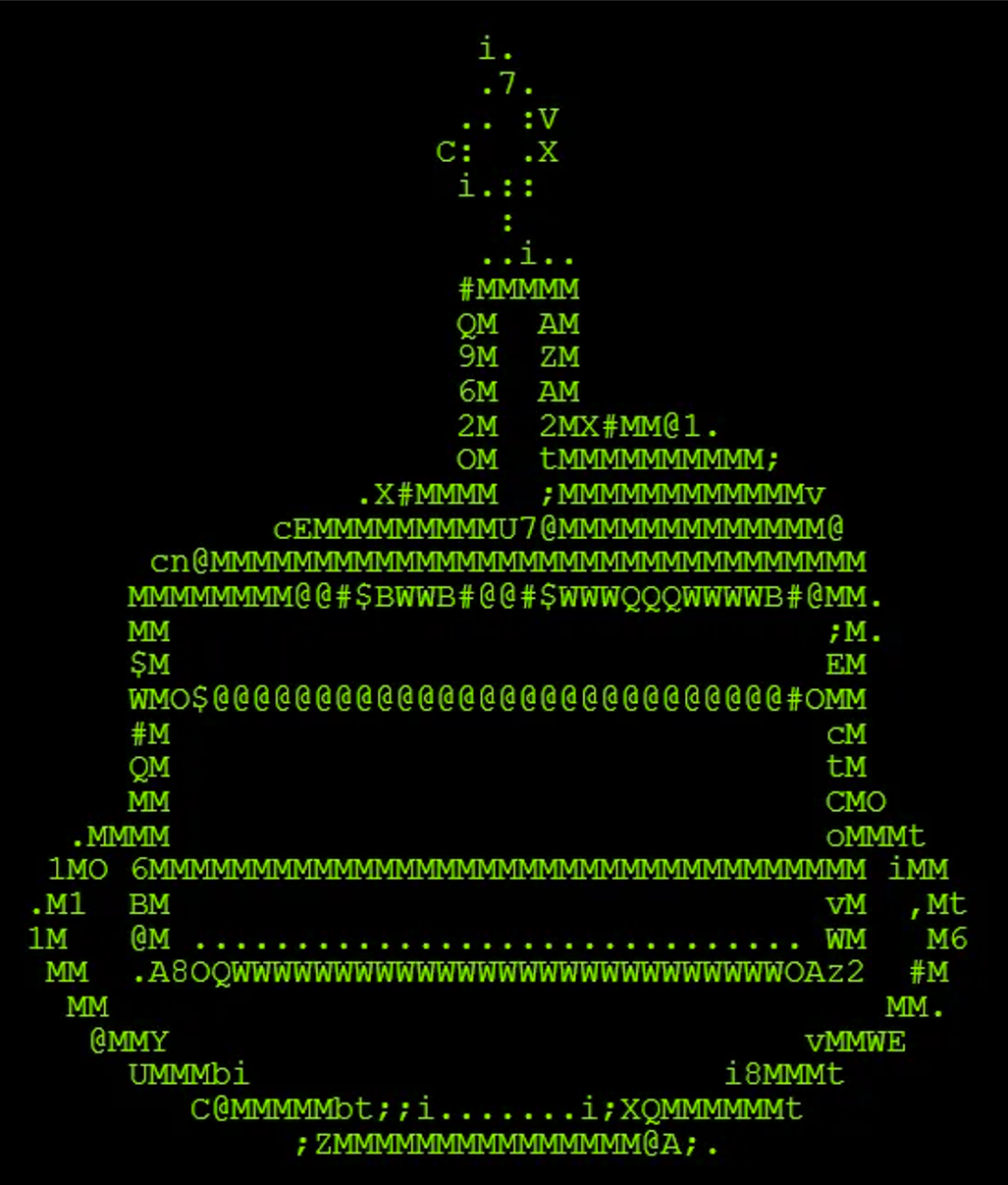
The judging panel recognised the work’s importance as an act of both recovery and interpretation that takes a traditional area of practice and applies it to a new field, operates at the cross-roads of fields including design studies, web studies, and critical editions, and makes significant contributions in so doing to both critical edition methodologies and theories of textuality, as well as connecting scholarship on historical games – and their paratexts – to new audiences. Peter Webster, chair of the panel, said:
ApertureScience grabbed me from the beginning, and opened up a host of questions about the critical edition as a scholarly form, and our ways of studying the born-digital in general. The judges also commended entries by Andrea Kocsis and Dorsey Kaufmann (an interactive exhibition that introduced digital decay and web archives to a wider non-specialist audience, and that we all wished we have seen when it was shown!) and Sarah A. Lang (a timely intervention into debates on data work in History that promises to be an anchor text for years to come). But for its originality and sophistication of approach ApertureScience emerged the worthy winner. In this entry and many others, the Deswarte Prize once again showcased the breadth, depth, and creativity of Digital History as a field.
We thank all that nominated entries for the prize, and our international panel of expert judges. The 2027 edition of the prize will launch early in the new year.
Richard Deswarte (1965-2021) was one of the founding convenors of the Digital History seminar at the Institute of Historical Research (IHR), University of London, an advocate for the value and importance of digital history, and an irreplaceable member of the community of digital historians in the UK and beyond.
This annual prize, established in his memory, celebrates the best of digital history internationally. It offers an award of £500 for the best output in digital history published in the 17 months prior to the submission deadline. More information on the prize is available here.